
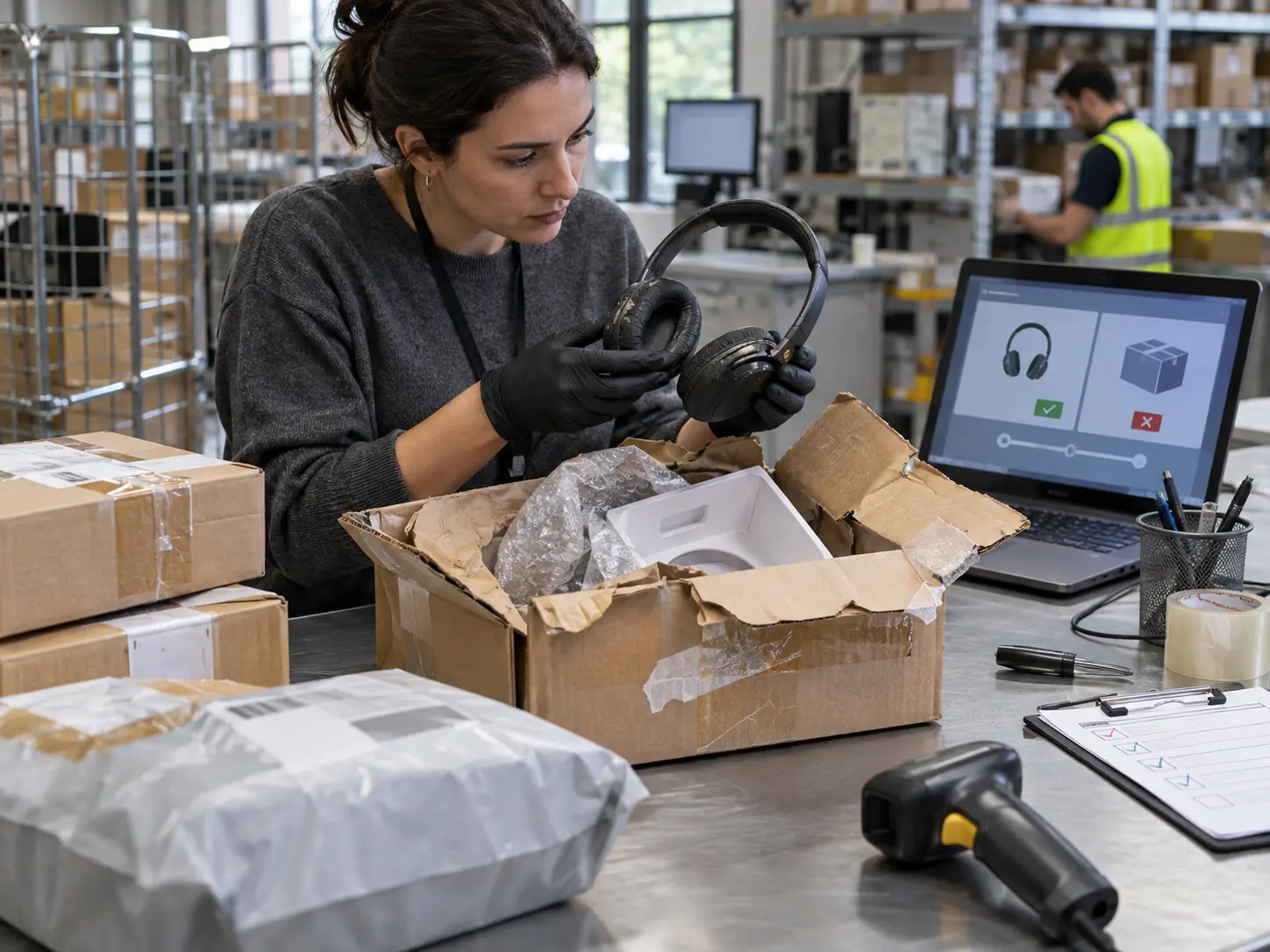
Return fraud detection and prevention go hand in hand. By identifying suspicious return patterns early and putting the right safeguards in place, retailers can reduce fraudulent refunds without creating unnecessary friction for legitimate customers.
Good to know:
- Return fraud costs merchants more than the refund itself, driving up operational expenses, inventory losses, and processing workloads.
- Refund fraud doesn’t always involve a physical return. Shoppers may falsely claim non-delivery or dispute legitimate card charges to obtain refunds.
- Knowing how to prevent return fraud starts with identifying repeat offenders, monitoring suspicious patterns, and applying risk-based checks.
- Refunds should be linked to original transactions, with additional checks for high-value or suspicious claims.
- To avoid return fraud in logistics, retailers should verify incoming parcels, reconcile carrier tracking data, and flag shipment discrepancies before processing refunds.
What Is Return Fraud?
Return fraud is the practice of manipulating a retailer’s returns process to obtain money, credit, or goods the person is not entitled to. Typical examples include sending back used, swapped, or stolen items, using fake or altered receipts, and returning products that were never bought, whether in ecommerce or physical stores.
Why Ecommerce Return Fraud Is a Growing Concern
Several factors are driving the rise of ecommerce return fraud:
- Online shopping growth means higher return volumes, giving bad actors more room to exploit the returns process at scale.
- Rising customer expectations push retailers toward free return shipping, longer return windows, and no-questions-asked refunds, all easy targets for abuse.
- Online transactions make it easier to hide identities, manipulate return labels, and slip through tracking gaps.
- Schemes like Fake Tracking IDs (FTIDs), component stripping, and empty-box returns are growing more sophisticated.
- Return abuse isn’t limited to fraud rings. Everyday shoppers do it too, online and in store.
And the numbers suggest these aren’t isolated incidents.
Retail & Ecommerce Return Fraud and Abuse Statistics (2026)
- 32% of UK shoppers admitted to wardrobing, buying products for temporary use before returning them.
- One-third of shoppers in the same survey said they were wardrobing more frequently because of cost-of-living pressures.
- Approximately 70% of return abusers across the US, UK, Canada, and Australia said they would definitely or possibly repeat their behavior.
- Another 47% chose retailers because they perceived their return policies as lenient.
- 42.28% of online shoppers across seven markets considered bracketing, ordering multiple versions of a product with the intention of returning most, reasonable.
- 24.49% of them considered it acceptable to return a product after wearing or using it.
On the seller side, the real cost of return fraud extends beyond refunds and can create a ripple effect across the business.
Common Types of Return Fraud
Core return fraud types in online and brick-and-mortar stores, include:
Wardrobing
Shoppers purchase items – such as clothing, tools, or event supplies – use them temporarily for a specific occasion, and then return them for a full refund claiming they are unused.
Switch Fraud (Product Swapping)
A buyer purchases a new item and returns an older, damaged, worn, or lower-value substitute in the original packaging, aiming to keep the new merchandise for free.
Bricking and Component Stripping
Online shoppers purchase products such as laptops, power tools, or household appliances, strip out valuable internal components or accessories, and return the non-functional or incomplete item for a full refund.
Empty Box and Decoy Returns
Scammers ship back an empty parcel or fill the return container with junk, paper, or weighted filler material to match the expected weight and trick automated check-in systems.
“Item Not Received” (INR) & Claims Fraud
Buyers falsely assert that their package never arrived, was stolen off their doorstep, or contained damaged goods to obtain an immediate refund while keeping the original product intact.
Fake Tracking ID (FTID) Scams
This happens when return shipping labels are altered to redirect packages to unrelated addresses while keeping tracking information linked to the merchant’s return. When the carrier marks the package as “delivered,” automated systems may issue a refund even though the retailer never received the returned item.
Receipt Fraud and Price-Tag Switching
This is the case when a shopper uses fake, altered, or found receipt, or physically swaps price tags between items in order to claim inflated refunds or return unpurchased merchandise they never purchased for cash or store credit.
Chargeback Fraud
Customers place a legitimate order, receive the items, and then falsely dispute the charge with their credit card issuer claiming unauthorized account activity or missing merchandise.
Top Indicators of Return Fraud in Ecommerce: Understanding the (Early) Signs
Recognizing red flags early in the returns process allows online retailers to intercept suspicious claims before issuing fraudulent refunds and develop solutions to reduce return fraud and abuse.
Key early indicators include:
1. High Return Velocity and Volume Outliers
Accounts or customer profiles with an unusually high frequency of returns, or a return-to-purchase ratio far above average, often indicate serial policy abuse or organized bracket-and-return schemes.
2. Parcel Weight and Dimension Discrepancies
Significant variances between the outbound shipment weight recorded by the carrier and the inbound parcel weight at check-in frequently point to empty box fraud, missing items, or decoy filler material.
3. No-Receipt Claims and Proof of Purchase Gaps
Frequent requests for cash or store credit without an order number, receipt, or valid proof of delivery are primary indicators of stolen merchandise returns or forged receipt scams.
4. Geographic and Identity Mismatches
Discrepancies between the original order’s shipping address and the return dispatch address, unusual cluster activity from freight-forwarding hubs, or mismatched device/IP footprints signal potential account manipulation or FTID label tampering.
5. Item Condition and Reason Code Inconsistencies
Returned products that don’t match the customer’s stated reason for return – such as an item marked “unopened” or “unwanted” that shows signs of wear, broken anti-tampering seals, or missing internal components – may indicate wardrobing, switch fraud, or bricking.
6. RMA and Label Tampering Anomalies
Return packages that feature modified tracking numbers, altered delivery addresses, or contents that do not match the authorized Return Merchandise Authorization (RMA) point directly to label exploitation scams.
How to Stop Return Fraud: Best Practices
The key to preventing return fraud is stopping abuse without making returns harder for honest shoppers.
Here are some things you can do:
Use Targeted Fees and Shorter Windows
Apply restocking fees to high-ticket items, shorten windows for seasonal stock, and charge return shipping on policy-edge claims to deter wardrobing and bracketing.
Favor Store Credit and Exchanges Over Cash
Refund to the original payment method or offer store credit and exchanges, removing the cash-out incentive for stolen goods while keeping honest customers satisfied.
Make RMA Numbers Mandatory
Have customers obtain a Return Merchandise Authorization (RMA) number before a return shipping label can be generated.
Verify Purchase and Identity
Demand order numbers or receipts for every claim, and insist on photo ID or secondary account verification for no-receipt or high-value returns to build a traceable audit trail.
Score Claims With AI Risk Engines
Let machine learning models weigh buyer history, return velocity, and address mismatches to flag serial abusers automatically.
Inspect Before Refunding
Hold refunds until staff verify the returned item’s condition, documenting swaps, stripped components, or damage.
Track Serial Numbers End to End
Scan unique serial numbers at outbound picking and again at reverse intake to expose product swapping.
Reconcile Carrier Data
Run automated API checks against carrier tracking and weight scans to confirm delivery claims and detect FTID label manipulation early in transit.
Train Frontline and Intake Teams
Run regular refresher sessions so warehouse inspectors and customer service agents can spot altered labels, missing internal hardware, and forged receipts.
Monitor and Approve Staff Refunds
Audit refund activity by employee and add manager sign-off or system overrides for high-value payouts to stop collusion and unauthorized refunds early.
Looking for a Reliable Returns Management Solution?
Green Wave Electronics helps electronics brands reduce unnecessary refunds and recover product value through structured RMA processing, inspection, testing, and documented return verification. Stop losing money on returns that shouldn’t cost you. Talk to our team today.
FAQs on Return Fraud (Ecommerce & Retail)
What are examples of return fraud?
Common examples of return fraud include:
• Wardrobing: using an item briefly before returning it.
• Switch fraud: returning a different, older, or damaged item.
• Bricking: stripping electronics of parts before returning them.
• Empty box fraud: returning a package with no item.
• Receipt fraud: using fake, altered, or stolen receipts for refunds.
• Price-tag switching between items to claim inflated refunds.
Can you go to jail for return fraud?
Yes, return fraud can lead to criminal charges, fines, and jail time. In the US, misdemeanors may carry up to one year in jail, while serious felonies can mean years in prison. Retailers may also sue to recover losses.
Is return fraud hard to prove?
Yes, return fraud is hard to prove and detect. It often exists in a “gray area,” making it extremely difficult for merchants to differentiate legitimate returns from fraudulent ones. Online anonymity, tech loopholes, and tactics like fake tracking IDs or empty boxes further complicate verification.
What are some examples of e-commerce fraud?
Examples in the sources include refund fraud (claiming items were lost or damaged without making a physical return), chargeback fraud (disputing valid charges with credit card issuers), stolen credit card fraud, employee fraud, and fake tracking ID (FTID) scams.