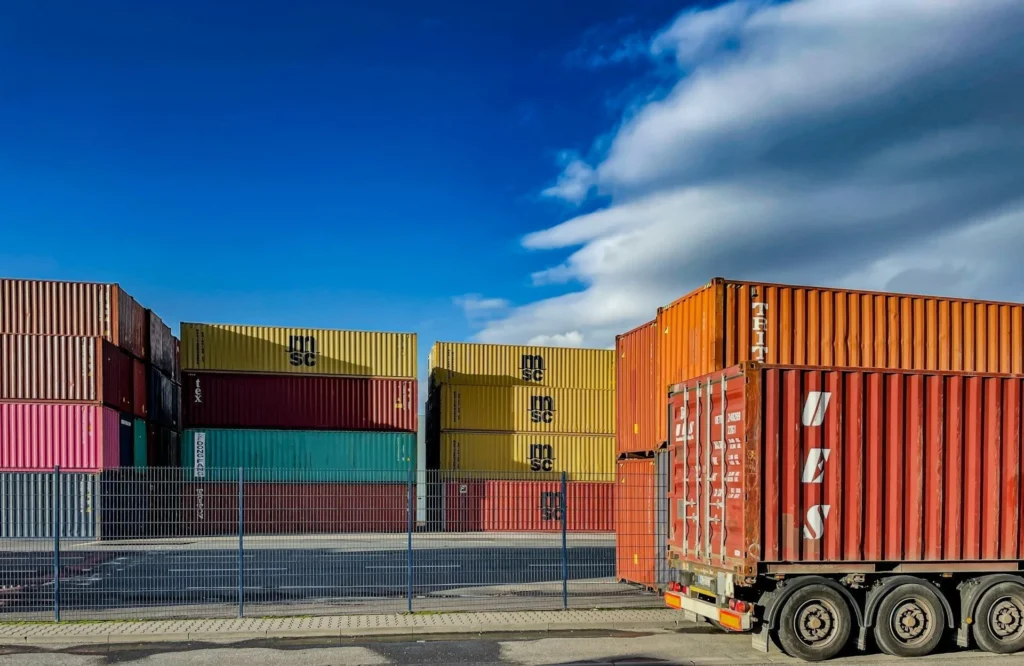

For retailers and distributors, moving excess or defective stock back up the supply chain is how value trapped in unsellable inventory gets recovered before it erodes margins.
What Does RTV Mean in Retail?
Return to Vendor (RTV) in retail is a reverse supply chain process where a retailer ships stock back to the supplier, distributor, or manufacturer – typically for goods that are defective, unsold, or returned and no longer sellable. RTV runs under a vendor agreement that defines what can be sent back and how the return is settled: through a refund, replacement, or credit.
Most RTV triggers fall into a few recurring buckets
- Defective, damaged, or recalled stock
• Incorrect or misrepresented shipments
• Warranty items needing repair or replacement
• End-of-season and perishable goods left unsold within their selling window
• Slow-moving overstock
• Customer-returned items that cannot be put back on the shelf
For retailers, the main payoff of RTV is inventory and cost control
Clearing unsellable or excess stock helps:
- Recovers value
• Free warehouse space
• Feed quality signals back to suppliers
The trade-off for retailers is that RTV is rarely free
- Stock bought with return rights often costs more per unit up front
• Individual returns can carry restocking, processing, and shipping fees
• Credit is delayed until the supplier inspects and approves the claim
How Does Return to Vendor Work?
Return to vendor isn’t an ad-hoc send-back; it runs on a legally binding agreement between the retailer and their vendor, which sets the eligibility rules up front:
- What condition the goods must be in
• The deadline for returning them
• Any cap on how much can be returned
• Who covers shipping and restocking fees
In practice, the RTV process begins with the retailer opening a formal claim that records the units, cost, and reason for the return, to obtain the vendor’s approval before anything ships back.
Once the goods arrive at the vendor’s warehouse, their team inspects them against those terms and settles the approved claim with a replacement, credit, or a refund.
The Return to Vendor Process in Detail
For inventory that falls within the supplier’s agreed return terms, the RTV process typically follows a documented authorization, shipment, and settlement workflow.
1. Separating and Recording RTV Inventory
Once inventory is designated for RTV, it is separated from sellable stock and physically moved to a designated hold area within the warehouse so that it’s not accidentally sold, picked, or misplaced.
It is also flagged as return-designated stock within the inventory system. Once shipped, it will also be deducted from on-hand inventory, keeping the digital inventory records aligned with the physical stock.
2. Securing Supplier Authorization
The retailer submits a Return Merchandise Authorization (RMA), Return Authorization (RA), or Return to Vendor (RTV) request that identifies the specific items, quantities, as well as the reasons for return.
Depending on the supplier’s requirements, the request may also include serial or batch numbers, purchase order or invoice references, and supporting photos or other evidence for damaged or defective goods.
Once the RTV is approved, the vendor provides the relevant authorization number, which serves as the primary reference for the entire return transaction.
3. Preparing and Shipping the RTV
The RTV inventory is prepared and shipped according to the agreed packaging, labeling, routing, and shipping requirements.
4. Vendor Assessment and Financial Closure
The receiving party checks the RTV goods against the approved return, verifying the quantities, condition, serial/lot information, and return reasons.
The supplier then settles the RTV under the agreed arrangement (e.g., credit or replacement). Finally, the retailer reconciles the RTV transaction in their ERP or accounting system.
5. RTV Reporting and Process Review
To reduce recurring issues, retailers can also review RTV activity over time to identify frequently returned products, common return reasons, supplier-related issues, and the overall costs associated with RTV returns.
These insights can support supplier performance discussions and help inform future purchasing and inventory decisions.
Why a Good RTV Process Matters in Supply Chain Management
An efficient RTV process helps keep inventory records accurate, move unsellable goods through the appropriate disposition channel faster, and reduce the risk of unnecessary write-offs or losses.
By contrast, when candidate return stock sits unresolved, it takes up storage capacity and can delay replacement or credit recovery.
It can also distort inventory visibility if unsellable units remain mixed with active stock, potentially affecting replenishment and purchasing decisions.
Stuck with Stock the Vendor Won’t Take Back?
When it comes to consumer electronics, Green Wave Electronics helps sellers recover value from excess inventory and defective stock.
When units can’t go back to the vendor, refurbishment and compliant resale turn what would be a write-off into recovered value.
Want that capital back? Contact us.
FAQs
Return to Vendor (RTV) is a reverse logistics process where a retailer, distributor, or brand sends defective, damaged, incorrect, or unsold inventory back to the original supplier or manufacturer, helping purchasing partners recover value and clear shelf space.
RTV (Return to Vendor) is a B2B process where a retailer returns accepted, unsold, or defective stock back to the supplier for credit, following contract rules. RTO (Return to Origin), on the other hand, takes place when an undelivered package or freight shipment is sent back to the sender’s warehouse due to delivery failure, customer rejection, or customs import issues.
RMA (Return Merchandise Authorization) is the vendor’s formal approval and tracking number that grants a retailer or individual consumer permission to ship goods back.
RTV (Return to Vendor) is the actual physical logistics process and business strategy of sending that inventory back to the supplier to recover value.
In short, RMA is the paperwork and authorization, while RTV is the execution.